Unlocking Forex Success: The Power of Data-Driven Strategies
Understanding the Forex Market
The foreign exchange (Forex) market is one of the largest and most liquid financial markets in the world. With trillions of dollars traded daily, navigating this vast landscape can be daunting for traders. This is where technology and data analytics come into play, transforming traditional trading into a more informed and strategic practice.
The Role of Algorithms in Forex Trading
Innovative algorithms serve as the backbone of automated trading systems. Here are some ways they help:
- Diversification: Algorithms can monitor multiple currency pairs simultaneously, spreading risk and maximizing potential gains.
- Speed: Automated algorithms execute trades in the blink of an eye, capturing opportunities that human traders might miss.
- Emotion-Free Trading: By removing emotions from the decision-making process, algorithms help maintain discipline and consistency in trading strategies.
- Backtesting: Traders can test their strategies on historical data to see how they would have performed, allowing for better optimization.
Data Analytics: Your Secret Weapon
Data analytics empowers traders by providing actionable insights. Here are some crucial aspects:
- Market Sentiment Analysis: Understanding trader sentiment can give clues about market movements. Analytics can gauge sentiment through social media trends and news articles.
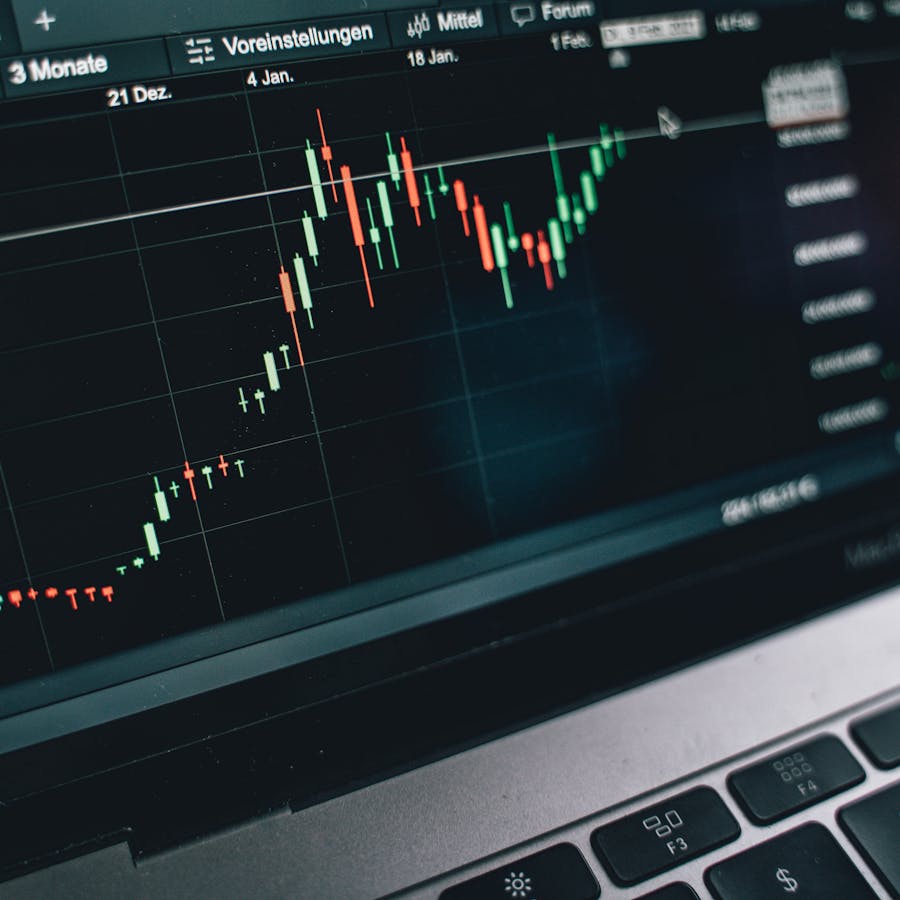
- Technical Analysis: Use charts and indicators to analyze price patterns. Common tools include:
- Moving Averages
- Bollinger Bands
- Relative Strength Index (RSI)
- Economic Indicators: Keep an eye on indicators like GDP growth, employment figures, and inflation rates. These factors significantly affect currency values.
Key Strategies for Successful Forex Trading
Here are some proven strategies that leverage technology and data analytics:
- Scalping: This strategy involves making dozens or hundreds of trades in a day to profit from small price changes. Automated systems can excel in this fast-paced environment.
- Trend Following: Identify and follow market trends using algorithmic trading strategies that adjust automatically as market conditions change.
- Range Trading: This strategy relies on identifying consistent price ranges. Traders can set automated alerts for when a currency pair nears support or resistance levels.
- News Trading: Use an economic calendar to track releases of significant news. With algorithms, traders can prepare for volatility and execute trades promptly.
Conclusion
In the fast-paced world of Forex trading, technology and data analytics are not just advantageous—they are essential. By tapping into advanced algorithms and leveraging data-driven insights, traders can enhance their decision-making and optimize performance in the market. Embrace these tools and strategies to unlock your full potential and achieve greater success in your trading journey.
Related